


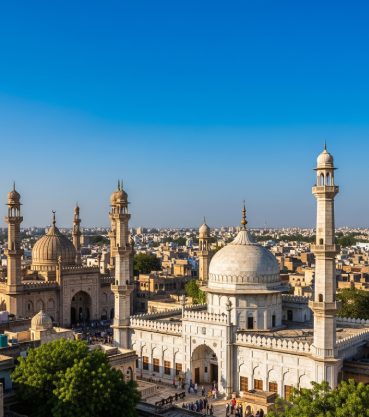
One of Rajasthan’s most spiritual and culturally rich cities, Ajmer draws travelers from across the globe. Surrounded by the Aravalli hills, Ajmer stunningly combines history, religion, architecture, local markets, and traditional Rajasthani hospitality.
Solo backpackers, family travelers, and spiritual seekers can plan their exploration of Ajmer, filled with culture and heritage. This guide covers everything international travelers need to know before planning an Ajmer tour package.
Top Tourist Places in Ajmer for Foreign Tourists:
Ajmer Sharif Dargah is one of the most popular Sufi Shrines in India, dedicated to Khwaja Moinuddin Chishti. The foreign tourists are often fascinated by the architecture, devotional music, and the strong sense of faith among pilgrims.
Ana Sagar Lake is a peaceful escape from the chaotic streets of Ajmer. Built during the 12th century, the lake is a perfect relaxation spot for tourists and locals alike. Foreigners especially enjoy spending quiet evenings near the lake.
Taragarh Fort is among the oldest hill forts in India, offering panoramic views of the city and surrounding hills. It remains historically significant and attracts adventure lovers.
Adhai din ka Jhonpra is one of the finest examples of Indo-Islamic architecture in Rajasthan. It was later converted into a mosque during the Delhi Sultanate Period. Travelers interested in history, architecture and photography often consider this one of Ajmer’s hidden gems.
Nasiyan Jain Temple is also known as the Red Temple, famous for its stunning interiors and intricate golden displays depicting Jain mythology. Foreign tourists can appreciate the artistic beauty and peaceful environment of this temple.
Akbari Fort & Museum once served as a royal residence during a military visit to Ajmer. It functions as a museum displaying ancient weapons, sculptures, paintings and archaeological artefacts.
Visa requirements for foreign tourists visiting Ajmer:
Foreign travelers in Ajmer generally require a valid Indian visa before arrival. India offers several visa options depending on the purpose and duration of travel. The most common option for travelers is the Indian e-tourist visa, which can be applied for online. Travelers from many countries, including the USA, UK, Australia, Canada, Germany, France, and several European nations, are eligible for e-visas.
Important documents required include:
Valid passport with a minimum of six months' validity
Passport-sized photograph
Confirmed travel details
Return flight tickets
Accommodation information
Tourists should always apply through official Indian government visa portals to avoid fraud or extra charges. It’s advisable to keep printed and digital copies of visa documents, passport, hotel bookings, and emergency contacts while traveling in Ajmer.
Best time to visit Ajmer:
The best time of exploring Ajmer is between October and March when the weather remains pleasant and comfortable for sightseeing.
October to March (Winter season) – Temperature remains moderate, making it suitable for discovering forts, lakes, and religious sites comfortably.
April to June (Summer season) – It can be extremely hot with temperatures crossing 400C. Foreign tourists unfamiliar with Indian summers may find daytime sightseeing difficult.
July to September (Monsoon season) – Monsoon brings moderate rainfall in the city and turns the surroundings greener. While the weather becomes cooler, occasional heavy rain may affect travel plans.
Travelers planning their spiritual trip to Ajmer often prefer exploring the Urs festival at Ajmer Sharif Dargah, though the city becomes very crowded during this period.
Cultural Etiquette & Customs for Foreign Visitors:
Experiencing the local customs can help foreign travelers enjoy a respectful and smooth travel experience in Ajmer. Here’re some cultural etiquette that you must experience as a foreign traveler:
Dressing modestly is appreciated, especially at temples and shrines.
Remove footwear before entering religious places like the Dargah and temples.
Respect religious practices like avoiding loud conversations, photography in restricted areas or interrupting prayers.
Some locals and religious authorities may not appreciate photography without permission.
Simply greeting each other with “Namaste” or a polite smile is warmly appreciated by locals.
Avoiding conservative behaviour in public spaces is generally preferred.
Most recommended Hotels in Ajmer:
Luxury hotels and resorts offering traditional Rajasthani hospitality, modern amenities, spa services, and lake views.
Mid-budget hotels near Ana Sagar Lake and the railway station provide comfortable stays with good accessibility.
Backpackers and solo travelers can find affordable guesthouses and hostels near major tourist attractions.
Food Guide for Foreign Tourists
Ajmer offers a blend of traditional Rajasthani cuisine and north Indian dishes like Dal baati churma, Gatte ki sabji, Kachori, Pyaaz Kachori, Malpua, Samosa, and traditional thali.
Foreign travelers have sensitive stomachs should prefer freshly cooked meals and avoid unhygienic street food. Many restaurants in Ajmer also serve continental, Chinese, and vegetarian options suitable for international travelers.
Conclusion
Ajmer provides an excellent introduction to Rajasthan’s cultural richness while remaining accessible, affordable, and welcoming. Whether you seek spiritual peace, architectural beauty, local cuisine, or cultural exploration, Ajmer promises an unforgettable travel experience.